How to Plan Multi-Year Fire System Tests Without Disrupting Building Operations
If you manage a building long enough, you learn that fire protection work rarely fails because people do not care. It fails because the calendar gets fragmented. Annual tests get scheduled in isolation, five-year work sneaks up on everyone, a kitchen suppression contractor needs access during the lunch rush, the alarm vendor wants a panel shutdown the same week a tenant has an audit, and suddenly a routine compliance task feels like an operational crisis.
The fix is not complicated, but it does take discipline. You need a multi-year plan that treats fire protection testing as part of building operations, not as a string of disconnected service calls.
That matters even more in places like Denver and the broader Colorado market, where climate, building use, and local enforcement can all shape the way testing needs to be coordinated. Denver adopts the International Code Council family of codes with local amendments, which means local requirements can differ from the model code language many owners assume they are following. The practical takeaway is simple: every multi-year testing plan should be built with the authority having jurisdiction in mind, not just the national standard in the abstract.
The real problem is not the test itself
Most fire system tests are not technically hard to perform. What makes them disruptive is poor sequencing.
A straightforward waterflow test can turn into tenant complaints if the alarm notification plan was never communicated. A dry pipe sprinkler system Colorado facility may need extra care in winter because restoring the system after testing cannot be treated casually in freezing conditions. A panel test that should take a few hours can drag into half a day if no one arranged access to locked suites, data rooms, elevator controls, or above-ceiling devices.
The issue is usually not the code requirement. It is the gap between code timing and building reality.
That is why the best planners stop thinking in one-year increments. They start by asking what must happen over three years, five years, and sometimes longer, then pull the annual work into that framework. Once you see the whole picture, you can bundle visits, reserve shutdown windows early, and avoid hitting the same occupants with repeated disruptions.
Start with the standards, then map them to the building
For water-based systems, NFPA 25 is the central reference point for inspection, testing, and maintenance. It sets minimum frequencies for many tasks, and those frequencies do not all line up neatly on an annual cycle. Some items are monthly. Others are quarterly, semiannual, annual, or multi-year.
For alarms and signaling systems, NFPA 72 is the key standard for design, inspection, testing, and maintenance functions. If your property has monitored alarm transmission, emergency communications features, or a larger network of fire alarm detectors and panels Denver building teams rely on every day, the testing plan has to reflect that complexity.
That sounds obvious, but here is where many facilities stumble. They know they need an annual alarm test and an annual sprinkler inspection, yet they do not maintain a master matrix showing every required interval for every system type on site. Once that matrix exists, scheduling gets easier. Without it, the building lives in reaction mode.
A mixed-use building can have a surprising amount to coordinate: wet pipe sprinklers in heated office areas, a pre action sprinkler system Denver data room installation, a dry pipe sprinkler system Colorado loading dock zone, hood suppression in a café or restaurant tenant space, and clean agent fire suppression Colorado protection in telecom or archival rooms. None of those should be treated as interchangeable work.
Build a five-year testing calendar, not just an annual schedule
A one-year schedule helps you survive the next renewal cycle. A five-year calendar helps you run the building.
I like to sketch a rolling five-year view for every property, even if ownership only budgets one year at a time. It gives operations staff something concrete to work from. You can mark recurring annual windows, identify the heavier multi-year testing events, and decide which building disruptions should be combined.
For example, if you know a larger sprinkler test is due in the same year that you expect extensive NFPA 72 fire alarm testing Denver occupants will notice, you may prefer to create one carefully managed testing week rather than two separate interruptions months apart. That gives tenants one period of inconvenience instead of a steady drip of service notices.
The calendar also helps with labor and access planning. If a building requires after-hours testing because of healthcare, hospitality, education, or critical manufacturing use, you can secure those windows long before they become expensive emergencies.
Here is the short version of what should be on that master plan:
- Every fire protection system in the building, broken out by type and protected area.
- The testing and inspection intervals that apply under the relevant standards and local requirements.
- Operational constraints such as business hours, tenant blackout dates, weather sensitivity, and access limitations.
- Notification needs, including occupants, monitoring parties, security, property management, and local authority coordination where required.
- Restoration steps, documentation, and deficiency follow-up so the site is not left with unresolved impairments.
That list looks basic on paper. In practice, it is the difference between a controlled test and a day of avoidable confusion.
Group systems by how disruptive they are
Not all fire protection testing creates the same level of disruption. If you sort the work by operational impact, the schedule becomes easier to defend internally.
Low-disruption work is often visual or administrative in nature. It may require limited tenant interaction and minimal interruption. Medium-disruption work usually involves room entry, audible testing, or temporary device activation. High-disruption work can include waterflow testing, alarm notification appliance testing, suppression system discharge-related procedures, or any work that needs a shutdown, fire watch, or close coordination with building engineering.
That distinction matters because building users remember disruption, not code sections. If your annual plan mixes quiet inspection work with noisy or invasive testing and communicates all of it the same way, people stop paying attention. Better to define the impact clearly and tailor the notice to what occupants will actually experience.
In a multi-tenant office, audible alarm testing may be a manageable daytime event if everyone has advance notice and it is kept tight. In a call center, law office, hotel, or medical tenant environment, that same event may need to move after hours. There is no universal “best” time. There is only the least harmful time for that occupancy.
Weather is not a footnote in Colorado
Anyone who works around exterior risers, unheated docks, parking structures, or vulnerable attic spaces in this region already knows this. Scheduling cannot ignore climate.
Sprinkler freeze protection Colorado planning deserves its own line on the calendar. A test that would be routine in mild weather may need different timing in winter, especially where dry or preaction systems are involved. If a system serves areas exposed to cold, you want enough time in the schedule for controlled draining, restoration, and verification. You also want to avoid stacking too many weather-sensitive tasks into a narrow seasonal window, because one storm or cold snap can throw off the whole month.
This is one reason I prefer early planning for any property with dry systems or freeze-prone zones. A dry pipe sprinkler system Colorado facility often has more operational sensitivity than the owner expects. You are not simply checking a box. You are protecting against the consequences of poor timing and rushed restoration.
Likewise, a pre action sprinkler system Denver installation in a mission-critical room should never be scheduled as an afterthought. Data rooms, archives, specialty storage, and control spaces often involve multiple stakeholders. The fire contractor may be ready, but IT, facilities, security, and sometimes the tenant’s insurer also need to be aligned. Leave that coordination to the last minute and somebody will veto the date.
Plan around the people who occupy the building
The strongest multi-year testing plans read almost like occupancy management documents. They account for when people are present, what work they are doing, and how much interruption the space can tolerate.
A school may be easiest during breaks, but summer is also when every contractor wants access. A restaurant may need daytime kitchen work avoided entirely, which makes commercial kitchen fire suppression Denver scheduling much more practical before opening, between meal periods, or on a planned closure day. A laboratory or production floor may require escort procedures that double the time needed to test devices if not planned in advance.
I have seen annual tests go sideways for reasons that had nothing to do with the fire system itself. One office tower could not complete an alarm test because half the tenant suites had switched to new access credentials that the service team did not have. Another building delayed a kitchen suppression inspection because no one remembered the hood cleaning vendor had tagged the system for separate maintenance. On paper, those look like small misses. In the field, they turn into rescheduling fees, irritated tenants, and compliance drift.
The more occupied and complex the property, the more your test plan should look like an operations plan.
False alarms are a scheduling issue too
People usually talk about fire alarm false alarms Denver properties want to avoid as a device problem, a maintenance problem, or a nuisance issue. It can be all three. It is also a planning problem.
Denver’s fire code amendments address repeated unintentional false alarms and problematic systems, including repair or replacement in some cases and reimbursement for certain responses. That should get any owner’s attention. Repeated avoidable activations are not just annoying. They can become expensive and attract scrutiny.
Good scheduling helps reduce risk here. If testing is performed with clear monitoring coordination, proper notification, and clean restoration procedures, you lower the chance that a routine event becomes an unintended dispatch. If deficiencies are tracked and repaired promptly rather than deferred into the next cycle, you also reduce the odds that a marginal detector, panel issue, or interface fault triggers another incident.
This is where the relationship between service quality and planning becomes obvious. An annual test report that sits in a folder does not protect you. A report that feeds directly into repair scheduling, documentation updates, and the next testing window does.
Properties with fire alarm monitoring Aurora CO arrangements, or monitoring in any comparable jurisdiction, should be especially careful about who is responsible for placing systems on test, confirming signals, and restoring normal monitoring at the end of work. Everyone assumes someone else handled that step, right up until the confusion becomes a dispatch.
Use shutdown windows sparingly and make them count
If your building cannot avoid occasional impairments or partial shutdowns for testing, then those windows need to be productive.
Do not burn a planned disruption on one narrow task if several related items can be handled together safely. If access to a sensitive suite requires tenant escorts, security coordination, and after-hours labor, that is the time to complete every reasonable fire protection task in that area that is due or nearly due. If a monitored system has to be placed on test for one event, think through whether nearby detector checks, panel verification, or associated notification testing can be completed in the same period.
There is judgment involved here. You should not force unrelated work together if that creates confusion or exceeds a safe testing scope. But too many properties suffer from the opposite problem. They schedule one short interruption at a time, over and over, and create much more cumulative disruption than necessary.
A good rule is to ask whether the building occupants will perceive the event as one interruption or several. If they will experience the same access restriction, noise, or downtime either way, bundling may be worth it.
Specialty systems deserve their own playbook
The systems that cause the most scheduling trouble are often the ones that protect specific hazards or high-value spaces.
Clean agent fire suppression Colorado installations are a good example. These systems often protect rooms where the contents matter as much as life safety continuity. Even when the test itself is straightforward, the stakeholders are not. IT managers, records teams, security staff, facilities personnel, and sometimes outside compliance groups all want a say in timing. That means longer lead times and more structured pre-test meetings.
Commercial kitchen fire suppression Denver systems have a different rhythm. They live in fast-paced spaces with revenue tied directly to uptime. The kitchen crew may be open to a 6 a.m. Test with enough notice, but not to a mid-service interruption that stops cooking. If the suppression system interfaces with gas or electrical shutoffs, everyone affected needs to understand exactly what will happen and when.
For any specialty system, the biggest mistake is trying to fit it into the same communication pattern used for generic annual inspections. These systems need tailored notices, named contacts, and a restoration checklist everyone agrees on before the work begins.
Documentation is where multi-year planning either holds together or falls apart
Most buildings are better at performing tests than at preserving the logic behind them.
One year, a contractor remembers that the west loading dock dry system should be tested before the freeze season. The next year, there is a new property manager, a new chief engineer, and a different vendor, and that bit of operational wisdom disappears. The building starts over from scratch.
That is why every major testing event should leave a paper trail that is useful to the next person, not just acceptable to the file cabinet. The best records answer practical questions. What was tested? What access issues slowed the work? Which tenants needed special accommodation? Were any devices blocked, mislabeled, or hard to reach? Did a monitoring step create confusion? Was restoration confirmed at the riser, panel, and monitoring level?
If you keep those details, your schedule improves every year. If you do not, each cycle repeats the same mistakes.
This is also the point where owners should connect testing records to broader compliance milestones such as fire system certification Denver requirements, local approvals, or insurer expectations where those apply. The article of faith in many organizations is that someone else is tracking this. In reality, gaps often appear when responsibilities cross from engineering to property management to a third-party vendor.
Work backward from the no-fail dates
Certain dates on the calendar are harder than others. Tenant events, seasonal business peaks, school openings, major move-ins, holiday occupancy, and budget closeouts all constrain the work. Instead of asking when the contractor is free, start by identifying when testing absolutely cannot happen.
Once those blackout periods are defined, the acceptable windows usually become clearer. This is particularly helpful for a fire safety inspection Lakewood CO property team, a Denver high-rise, or any regional portfolio trying to coordinate multiple sites without overwhelming staff in one month.
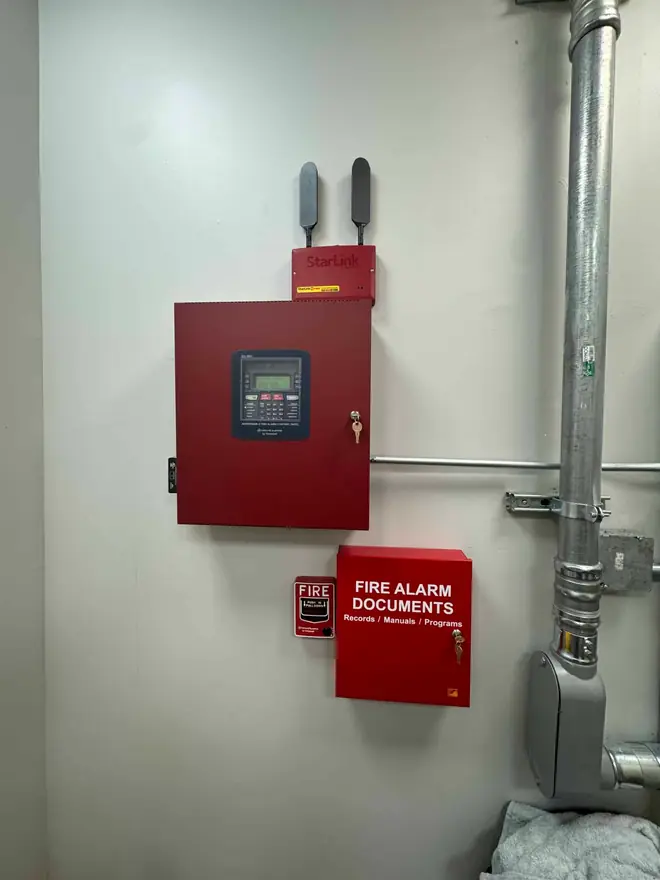

I usually encourage managers to set internal target dates at least several weeks ahead of the actual outside deadline when possible. That buffer absorbs weather delays, access failures, permit questions, and repair needs that surface during testing. It is much easier to explain that corrective work is being finished ahead of schedule than to explain why a required test missed its window.
A practical sequence that works in occupied buildings
There is no single perfect workflow, but a disciplined rhythm helps. Before major testing season, confirm the building inventory and frequencies under the applicable standards and local requirements. Then confirm local expectations with the authority having jurisdiction where needed, because Denver amendments and enforcement details can differ from the baseline language many national vendors assume.
After that, lock in occupant-sensitive windows early. Notify monitoring parties, security, and tenant contacts with enough specificity that they know what to expect. Perform the work in bundled phases where get details that makes operational sense. Finally, close the loop on deficiencies, repairs, and documentation before the memory of the event fades.
That sequence sounds almost too simple. It is not. It is just the boring discipline that keeps building operations smooth.
Here are the warning signs that a property is not really planning multi-year fire system tests, even if everyone says it is:
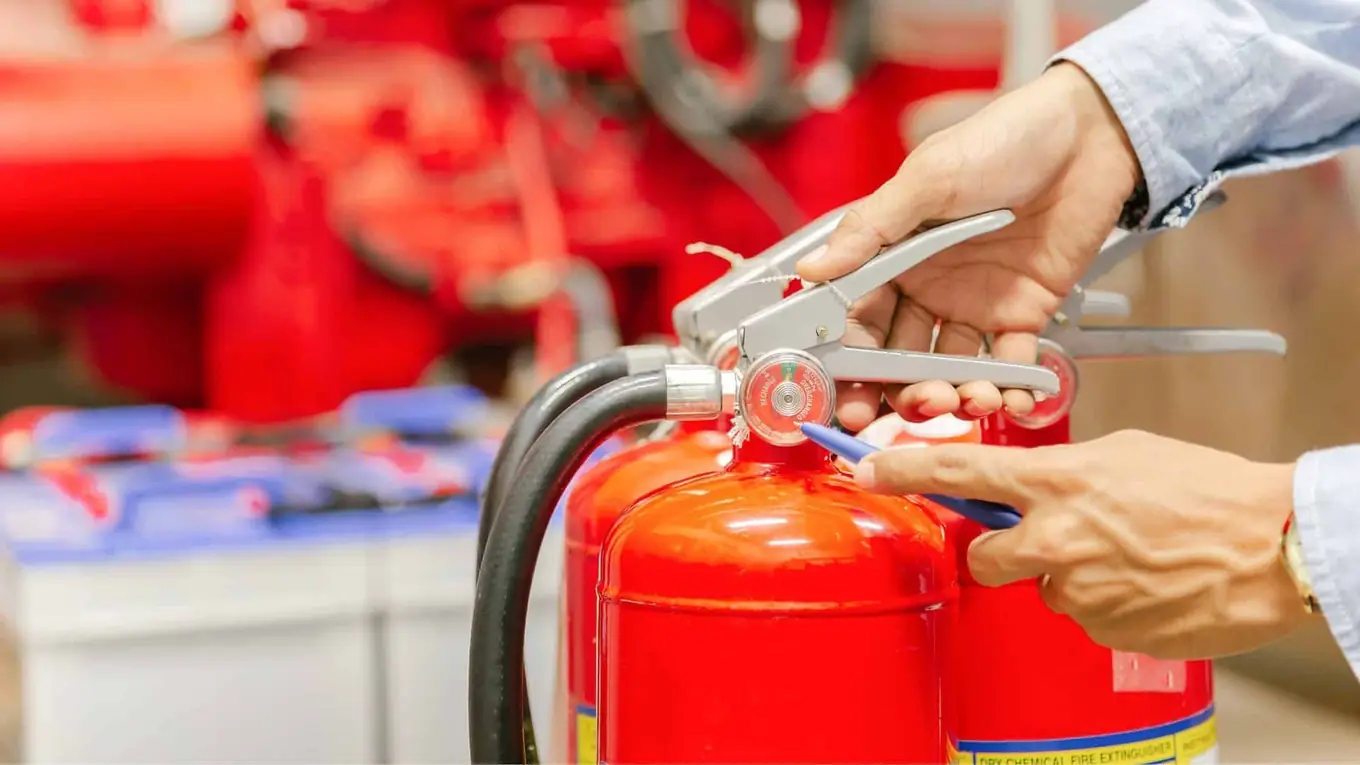
- The annual schedule exists, but no one can show when the next multi-year tasks come due.
- Different vendors maintain separate calendars that are never reconciled.
- Tenant notifications go out a day or two before testing, with vague descriptions.
- Deficiency repairs are tracked informally, often by email only.
- System restoration and monitoring confirmation are treated as assumptions rather than documented steps.
Any one of those problems can create disruption. In combination, they almost guarantee it.
The buildings that handle this best do one thing differently
They stop treating compliance as a service event and start treating it as an operating function.
That shift changes the tone of every conversation. Engineers are not scrambling to let a vendor in at the last second. Property managers are not apologizing to tenants for surprise horns and strobes. Security is not guessing whether a panel signal is part of a test. Ownership is not asking why costs spike every few years without warning.
Instead, the building runs on a known rhythm. NFPA 25 inspection Colorado tasks are folded into the maintenance calendar. NFPA 72 fire alarm testing Denver work is aligned with occupancy realities. Fire sprinkler inspection frequency Colorado requirements are understood in context rather than remembered only when a report is overdue. Monitoring, notifications, repairs, and records all move together.
That is the real goal. Not a perfect spreadsheet, not a stack of reports, not a box checked at the end of the year. The goal is to keep life safety systems dependable while the building keeps doing its job.
When that happens, testing stops feeling like a disruption and starts feeling like part of a well-run property.