Sprinkler Freeze Protection Colorado: Seasonal Steps for Denver Property Managers
Cold weather changes the way a fire protection system behaves. That sounds obvious, but in practice it catches a lot of properties off guard. A sprinkler network that ran quietly through summer can become fragile once overnight temperatures drop, loading docks stay open longer, rooftop equipment pulls heat out of ceiling spaces, or a tenant starts using a vacant suite in a way the system was never meant to handle.
For Denver property managers, winter prep is not just a maintenance task. It is a risk management job that touches life safety, lease obligations, downtime, insurance conversations, and tenant confidence. The challenge gets sharper in Colorado because building conditions vary so much. A heated mid-rise office in one part of the metro behaves very differently from a warehouse with trailer traffic, an older retail center with drafty soffits, or a mixed-use property with exposed piping near parking areas.
The first thing worth saying is simple: local requirements matter. Denver uses the International Code Council family of codes with local amendments, so the base code is only part of the picture. If you are managing work in Denver, or coordinating inspections elsewhere along the Front Range, it is smart to confirm project requirements with the authority having jurisdiction before you assume a national template applies cleanly. Seasonal freeze protection is where those local details can have real consequences.
Why freeze protection becomes a management issue, not just a mechanical issue
A frozen sprinkler pipe is never just a pipe problem. Once water is trapped in a cold section and expands, you may not see the damage immediately. The failure can stay hidden until temperatures rise, pressure changes, or someone bumps a weakened fitting. Then you have water where you do not want it, impairment where you cannot afford it, and a building team trying to sort out emergency service, tenant communication, and potentially fire watch decisions at the same time.
That is why good sprinkler freeze protection Colorado planning starts before the first hard freeze. The best managers I have worked with do not treat winterization as a single service ticket in October. They treat it as a season with checkpoints, because the risks change from early fall to deep winter to spring thaw.
Freeze problems also tend to show up in places that are easy to overlook during a casual walk. Canopies, vestibules, loading docks, attic-like interstitial spaces, exterior walls with poor insulation, backflow assemblies in enclosures, mechanical rooms with louvers, and vacant tenant bays are repeat offenders. The system may be installed correctly and still become vulnerable because the building operation changed around it.
The system type matters more than most people realize
Not every sprinkler system is supposed to handle cold space the same way. A heated office area may have a standard wet arrangement, while an unheated dock or canopy may rely on a dry pipe sprinkler system Colorado property owners use to reduce freeze exposure. In some occupancies, a pre action sprinkler system Denver facility teams depend on may be selected because accidental water release would be especially disruptive, such as in certain equipment rooms or sensitive spaces.
That distinction matters because winter service planning is different for each arrangement. NFPA 25 is the main standard for inspection, testing, and maintenance of water-based fire protection systems, and it sets minimum frequencies for many tasks. Those intervals are not all annual. Many activities fall on monthly, quarterly, semiannual, annual, and longer multiyear cycles. A property manager who only thinks in terms of a single annual visit will almost always miss something important.
The practical takeaway is this: freeze protection starts with knowing what system you actually have in each part of the property. One building can contain more than one fire protection strategy. The riser room may tell one story, the tenant improvement drawings another, and the field conditions a third if renovations drifted over time. Before winter, it is worth confirming zone by zone which areas are wet, which are dry, whether there are preaction sections, and which spaces depend on heat trace, room heat, or enclosure integrity to stay above freezing.
Denver winters expose small building problems fast
Property managers often ask whether sprinkler freeze damage is mainly a problem during extreme cold snaps. It certainly spikes during severe weather, but the subtler problem is cumulative exposure. A door left open for deliveries every morning, a failed unit heater in a dock office, a gap around a roll-up door, or a thermostat setback in a vacant suite can create the cold pocket that does the damage.
I have seen winter issues develop in buildings that looked fine on paper because the drawings assumed a heated envelope, while the actual operation slowly defeated that assumption. Janitorial closets become storage rooms, mechanical spaces lose airflow, and tenant improvements add soffits or create concealed voids that trap cold. None of those changes sound dramatic. Together, they can create the exact conditions that turn a small freeze spot into a cracked fitting or failed device.
This is also where your other life safety systems come into play. Fire alarm detectors and panels Denver managers rely on are not separate from sprinkler planning in real life. If a sprinkler issue causes supervisory signals, trouble conditions, or waterflow-related complications, the alarm system becomes part of the event. NFPA 72 covers fire alarm and signaling system design, inspection, testing, and maintenance, including monitoring and emergency communications functions. If the sprinkler side and alarm side are managed in separate silos, response gets slower and confusion rises exactly when you need clarity.
Build the season around a calendar, not a single appointment
A lot of winter trouble comes from treating fire protection like a once-a-year compliance item. NFPA 25 inspection Colorado scheduling is more layered than that. The standard sets minimum frequencies for many sprinkler tasks, which means your service calendar should reflect the real intervals that apply to your systems, not a vague “annual sprinkler inspection” label in a budgeting spreadsheet.
The same is true on the alarm side. NFPA 72 fire alarm testing Denver properties schedule should be coordinated with sprinkler service so impairments, signal verification, and tenant notifications are handled intelligently. This is especially important in occupied commercial buildings where unnecessary confusion can trigger nuisance calls, complaints, or even code issues tied to repeat false activations.
Denver’s local amendments are a reminder that fire alarm false alarms Denver properties generate are not just embarrassing. Repeated unintentional false alarms can trigger requirements around repair or replacement of problematic systems, and some responses can involve reimbursement. That means winter planning should include reducing the conditions that create nuisance signals. A freeze-related supervisory issue, a poorly coordinated test, or a neglected device can set off a chain of administrative headaches that was completely avoidable.
What property managers should be doing before the first hard freeze
Good fall preparation is mostly disciplined observation and coordination. You do not need to be the technician turning every wrench, but you do need to know where the risk lives and whether the right people have touched it.
Here is a sensible pre-winter checklist to guide conversations with your service providers and building staff:
- Confirm which building areas are vulnerable to freezing, especially docks, exterior walls, canopies, attics, parking levels, and vacant spaces.
- Verify that required inspection, testing, and maintenance is scheduled at the proper intervals under NFPA 25 and, where alarm interfaces are involved, under NFPA 72.
- Check that heating, enclosure integrity, and any other freeze prevention measures serving sprinkler components are actually working, not just assumed to be working.
- Review impairment procedures, after-hours contacts, and monitoring pathways so a trouble or supervisory condition is not missed on a cold weekend.
- Coordinate with tenants whose operations affect building temperature or access, especially in warehouses, retail back rooms, and restaurant spaces.
That short list catches a surprising number of real problems before they become emergencies. The most common issue is not a dramatic mechanical failure. It is an assumption gap. Someone assumed the room had heat. Someone assumed the monitoring account was up to date. Someone assumed the annual visit covered the cold-space condition. Winter has a way of exposing every weak assumption in a building.
Monitoring and signal response are part of freeze protection
When a sprinkler system goes into trouble, the speed and clarity of response matter almost as much as the condition itself. Denver code language requires some fire alarm or emergency communication devices to transmit to a central station, commercial monitoring service, or continuously staffed monitoring service, depending on the application. That means managers should not treat monitoring as a background administrative item.
If you oversee multiple sites, your response procedures should reflect the way each site is monitored and who receives what signal. A property with fire alarm monitoring Aurora CO service may have a very different staffing pattern than a downtown office tower with in-house coverage. The point is not the city name. The point is making sure the signal path and the human response path both make sense in winter.
This becomes especially important during holidays and overnight temperature drops. If a low-temperature condition, supervisory event, or related trouble comes in at 2:00 a.m., the wrong contact tree can turn a manageable issue into hours of exposure. The buildings that handle winter best are usually not the ones with the fanciest equipment. They are the ones with the cleanest communication.
Kitchens, special hazards, and mixed-use properties need extra attention
Not every freeze concern sits in the main sprinkler piping. In mixed-use commercial properties, fire systems for Colorado businesses ancillary fire protection systems deserve a winter review too. A restaurant tenant may have commercial kitchen fire suppression Denver requirements entirely separate from the main sprinkler zones, but the kitchen’s operating schedule, hood exhaust behavior, and make-up air patterns can still affect adjacent building temperatures. That matters if back-of-house spaces include piping along cold walls or near service corridors.
Likewise, special hazard systems need their own lens. A clean agent fire suppression Colorado setup is not a sprinkler system, but it often protects rooms where temperature stability, enclosure condition, and coordinated alarm function matter a great deal. If a building contains data, telecom, archive, or specialty equipment areas, winter planning should account for how these systems interact with alarm devices, room conditions, and maintenance access. It is easy to focus only on the visible sprinkler piping and forget the spaces where a minor environmental issue can lead to major operational disruption.
The broader lesson is that winterization should happen at the property level, not as a set of isolated contractor visits. If your sprinkler vendor, alarm vendor, kitchen suppression provider, and building engineer are all working from different assumptions, the gaps tend to show up in January.
False alarms and winter trouble often share the same root cause
The phrase fire alarm false alarms Denver owners worry about usually brings to mind dusty detectors, cooking smoke, or renovation errors. Those are real causes. But winter can contribute in quieter ways through rushed service work, impaired devices not restored properly, environmental conditions that trigger troubles, or poor coordination after a system event.
I have seen managers focus heavily on preventing frozen pipes while forgetting the communication burden that follows any impairment or test. If a contractor drains a section, a monitoring account is not placed correctly, or the panel is not restored cleanly, the building can end up with nuisance alarms or repeated signals that frustrate tenants and draw attention from the local authority. Denver’s amendments regarding problematic systems make that a practical issue, not just an annoyance.
This is one reason I prefer seasonal planning meetings, even brief ones, before winter sets in. Ten minutes with your chief engineer, service coordinator, and alarm contact can save hours later. The goal is to ask plain questions. Which spaces are cold-risk spaces? Which systems are due for service under the required interval? Who gets the signal if something happens at night? What is the impairment plan if a section needs repair? Those are not glamorous questions, but they are the ones that keep buildings stable.
Inspection frequency is where many portfolios drift off course
One of the easiest mistakes in a multi-property portfolio is flattening everything into one renewal cycle. A manager might know there is a fire sprinkler inspection frequency Colorado expectation, but if every site gets coded as “annual fire inspection” in the software, the operational detail disappears.
NFPA 25 does not work like that. Many sprinkler-related tasks have different minimum intervals, and the same is true on the fire alarm side under NFPA 72. A strong portfolio manager keeps a service matrix that reflects those differences, then overlays the seasonal realities of each property. The buildings with exposed cold areas, older envelopes, or more complicated occupancies get more attention heading into winter, even if their formal annual date is months away.
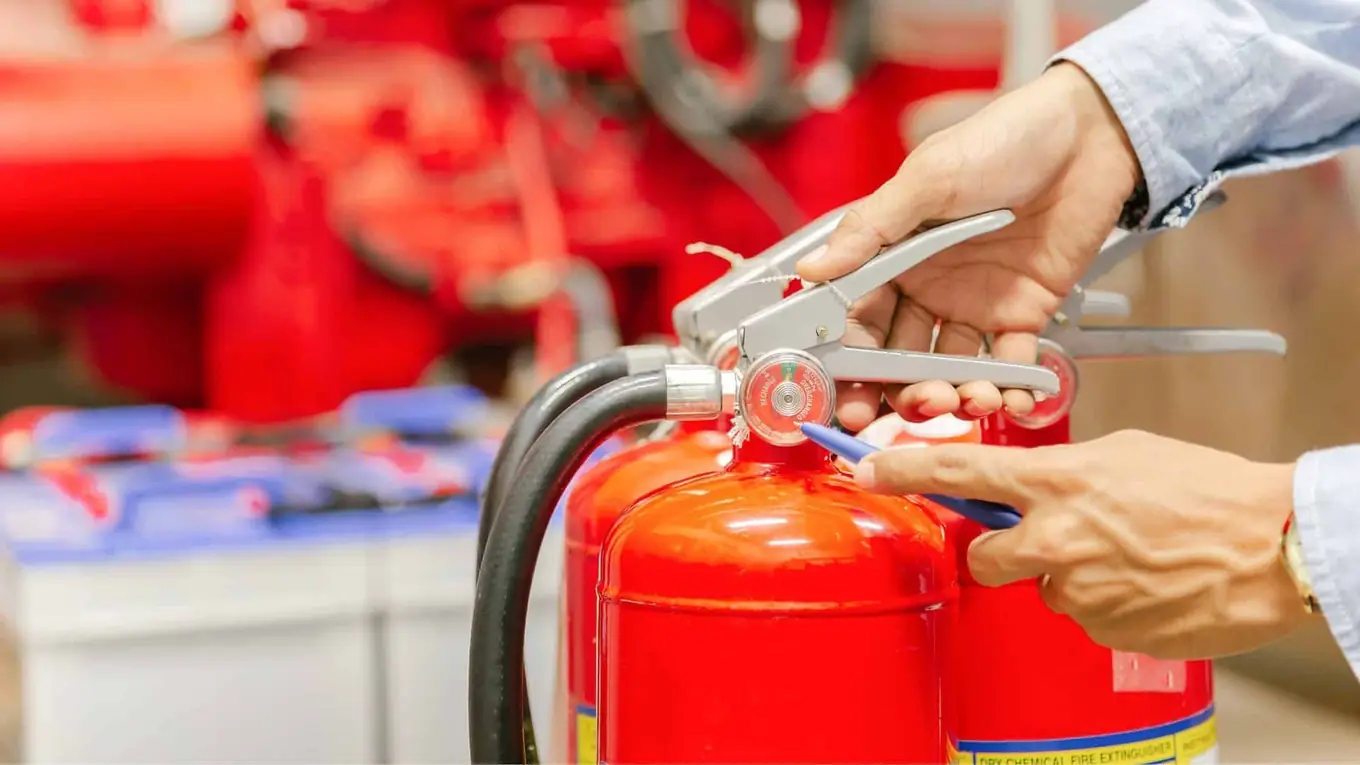
This is also where documentation becomes more than paperwork. When someone asks about fire system certification Denver records, they are often thinking about proving a building is current or ready for a transaction, occupancy review, or internal risk audit. In practice, the strength of that record depends on whether your inspection and testing history actually lines up with the applicable intervals and whether deficiencies were tracked to completion. Winter issues expose weak documentation fast, because a freeze event tends to trigger deeper questions about prior service, known deficiencies, and response timelines.
The authority having jurisdiction should not be an afterthought
Because Denver adopts model codes with local amendments, and because regulated fire safety work can involve permits and inspections depending on the scope, managers should build authority review into the timeline when the work goes beyond routine maintenance. If a system repair, alteration, or related fire safety work needs review, waiting until the weather has already turned cold is a poor strategy.
This is true inside Denver and in neighboring jurisdictions as well. A fire safety inspection Lakewood CO process, for example, may involve local expectations that differ from what your team encountered downtown. The same goes for tenant improvements, hazardous materials issues in some occupancies, and any project where the field condition changed from the original design intent. Seasonal readiness improves when code coordination happens early, not after a contractor is already onsite with a narrow weather window.
What a good midwinter response looks like
Even with careful planning, winter still produces surprises. A heater fails. A tenant props open a service door. A trouble signal appears during a storm. The strongest response is usually calm, documented, and a little repetitive in the best way.
The first move is to verify the condition, not guess at it from a phone alert. The second is to protect the building while trained personnel assess the system status. The third is to communicate clearly with everyone who needs to know, including tenants if access or life safety procedures are affected. From there, the focus shifts to restoring normal protection and documenting what happened, what was impaired, and what follow-up is required.
That process sounds straightforward, but in the field it goes sideways when roles are fuzzy. If the engineering team thinks the alarm vendor is handling notifications, the alarm vendor assumes monitoring will relay everything, and the property manager believes the sprinkler contractor has already cleared the issue, nobody is actually in charge. Winter is hard on buildings, but it is even harder on weak chains of responsibility.
Spring is when you find out how well winter really went
A lot of managers relax once the worst cold passes. I would argue spring is one of the most important review points of the year. It is when hidden damage, deferred deficiencies, and documentation gaps come to light. If a section took cold stress but did not fail visibly, pressure changes or routine testing may expose it later. If a property relied on temporary measures during a cold snap, spring is the time to convert those into permanent corrections.
This is also the right moment to tighten the next cycle. Review where alarms, troubles, or service calls originated. Compare that against your cold-space map. Ask whether the system type matched the use of the space. If a wet area repeatedly struggles to stay above freezing, it may be time for a more serious design and code conversation rather than another season of patchwork heating.
The best seasonal programs do not just survive winter. They learn from it. Each year should make the next year easier because the property team knows more about the actual building, not just the drawings in a binder.
A practical standard for Denver property managers
If I had to reduce the whole topic to one operating standard, it would be this: know your cold spaces, know your system types, and know your required service intervals. Then make sure your alarm response and monitoring procedures are as solid as the piping itself.
That is the heart of smart sprinkler freeze protection Colorado planning. It respects NFPA 25 as the baseline for water-based system inspection, testing, and maintenance. It respects NFPA 72 where alarm, signaling, and monitoring functions intersect with sprinkler performance. It respects Denver’s local code amendments, especially where false alarms and system reliability become enforcement issues. And it respects the basic truth every experienced property manager learns sooner or later, buildings fail at their edges.
In Colorado, winter tests the edges first. The managers who pay attention there usually come through the season with fewer surprises, cleaner records, and tenants who never have to think about the fire protection systems quietly doing their job.